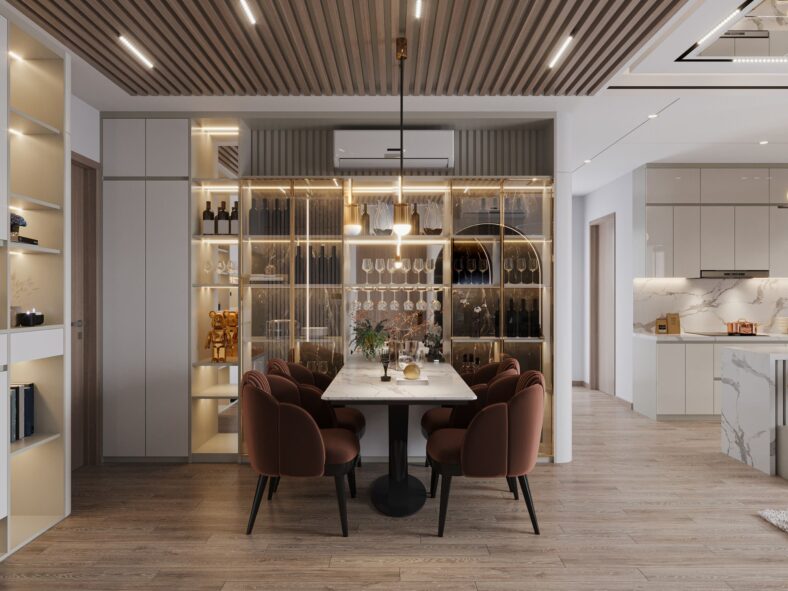
You might not realize it, but lighting can make or break a room.
I didn’t always know that, either. Back when I was running my painting business, early in my career, I’d finish up a job…fresh paint on the walls, furniture arranged, everything looking good…but something would feel off.
I remember one job where I was painting a family’s living room. I did the walls in a rich, warm color. Everything was set up perfectly, but the room still didn’t feel right. It was missing something.
The homeowner, Lisa, said to me, “I love the color, but it still feels kind of flat. Do you think we should change the lighting?” I was skeptical. But we added a few recessed lights in the ceiling, a couple of floor lamps, and some accent lights around the artwork.
That turned out to be a real “light bulb moment” for us (forgive the pun). The room totally changed. That’s when I really understood that lighting is just as important as paint color psychology for creating the mood of the room.
After over a decade in the painting business, I’m sure lighting placement is one of the most important parts of interior design. So if you want to change up a room or make your space feel more inviting, pay attention to where you put those lights.
In this blog, I’ll walk you through why lighting matters and how to use it to make your space feel as good as it looks.
The Role of Lighting in Interior Design
When you think about decorating a room, lighting isn’t usually the first thing you consider. But trust me, you should. You can pick out the best furniture, paint the walls the perfect color, and have all the right accessories, but if the lighting’s off, forget it.
The right lighting helps you see your space “in the best light.” If you want to create a relaxing living room, a bright and energetic kitchen, or a workspace that helps you concentrate, lighting is a big part of that. It can make a small room feel bigger or a big room feel cozier. It can make colors and textures pop.
There are three main types of lighting you should know about: ambient, task, and accent.
Ambient lighting is the general light that fills the room. Think ceiling lights, chandeliers, or natural light coming in through windows. It’s the base of the lighting in a room.
Task lighting is exactly what it sounds like: lights meant for specific tasks. This could be a reading lamp next to your favorite chair, under-cabinet lighting in the kitchen for cooking, or a desk lamp for your work area.
Accent lighting draws attention to specific areas. You’ll see this in things like spotlights on artwork, lamps that highlight a sculpture, or lighting that shines up a feature wall.
When you’ve got all three types working together in a room, you’ve got a lighting trifecta.
How Lighting Placement Affects Mood and Ambiance
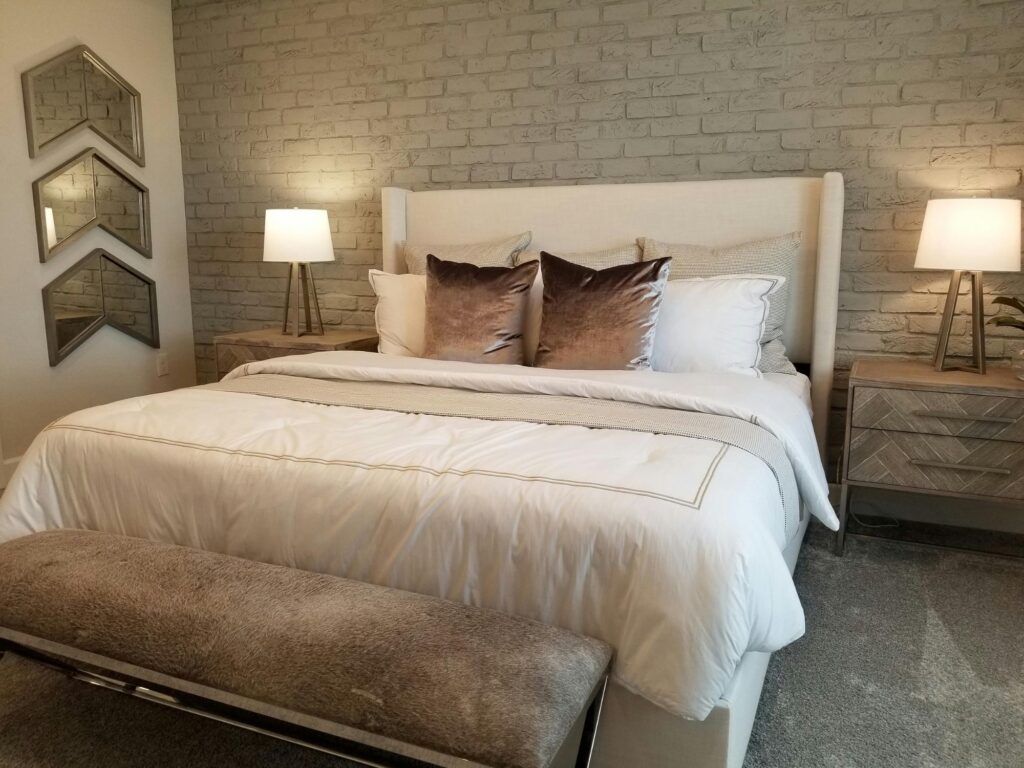
Where you place your lights really sets the mood. Harsh and bright lights can make a room feel cold. Soft, warm lights, on the other hand, can make it feel like home.
Here are a few practical tips to get the lighting right:
Mix light sources at different heights
If you’ve got a single overhead light, the room can feel flat and lifeless. Try using a mix of table lamps, floor lamps, or wall sconces to add layers to the light. This gives the room a more balanced and interesting feel. Any home you see in an interior design magazine definitely does this.
Use Dimmers
With a dimmer switch, you can adjust the light level depending on the time of day or mood you want to create. You can have bright light for tasks or dim it down for a cozy evening.
Highlight Focal Points
If you’ve got a feature wall, artwork, or any other design elements you want to show off, place lights that shine on them. You can use recessed lights or wall-mounted fixtures to bring attention to specific parts of the room.
Avoid Direct or Harsh Lighting
For most rooms, try to avoid lights that shine directly into your eyes or give off too much glare. Instead, go with indirect lighting that reflects off walls or ceilings. This keeps things comfortable and gives you soft, even light.
Warm Up the Space
If you want a cozy, inviting atmosphere, go for warm-toned light bulbs (around 2700K). Cold, bright lights tend to make rooms feel sterile (like a hospital) while warm lighting adds a comfortable, homey touch (like sepia-tone memories from childhood).
Lighting also changes how the colors and textures in a room look. For example, light hitting a dark-colored wall can make it look even richer. But the wrong light can make it seem dull. If you love the color of a wall during the daytime but can’t stand it in the evening, you may need to switch up the lighting “temperature.”
If you’ve got textured walls or unique features in the room, shine some light on them to show them off. You can do this directly like a spotlight, but sometimes it’s better to let it bounce off a wall or the ceiling to get a more even effect.
Layering Light
Like I said before, layering light is probably the biggest “pro move” you can do when it comes to your lighting. This means you’ll include light at different levels or locations in the room for an interesting effect.
Let’s break down how you can use layers of light to really bring a room to life:
Balance light levels
A room needs light coming from a few different places. If you rely on just one light source, it’s like a light bulb hanging from a string in a closet. Everything looks flat, no matter how beautiful your paint colors are.
Use a combination of overhead lights, lamps, and even low-level lighting on the floor. This adds dimension and helps to avoid harsh shadows or super bright spots. It gives the space more life.
Create zones
In bigger rooms, you can use lighting to create different “zones” for different activities. Follow this rule: bright lights for work, dimmer lights for relaxation.
If you work at a desk, you can put focused task lighting by it. If you love to read on the couch, you can add a lamp that helps without overwhelming the space. I personally can’t stand reading with an overhead light. I use my lamps every day!
For areas where people gather and hang out, use softer lighting to keep the room feeling warm and relaxed.
Use lighting to enhance shapes and texture
If you have any neat art or architectural features you want to highlight, that’s where accent lights come in. You can even use accent lights to highlight exposed brick or a nice rug.
Light can help emphasize curves, edges, or any unique parts of the space. You know how photographers use light to highlight their subject? Good lighting can make people pay attention to the parts of the room you want to show off.
Play with direction
You also have to think about where your lights are aimed. Direct lighting is good for “spotlighting” specific areas, but it starts to feel harsh if you use it too much. Be sure to also include some indirect lighting, like lamps that shine against the walls or ceiling. This helps the space feel more open.
When you use a combination of direct and indirect light sources, you can make the room feel bigger and more comfortable.
Keep it flexible
My favorite benefit of layering light is that it gives you control. If you’ve got dimmers, adjustable lamps, and multiple light sources, you can change the mood of the room whenever you want. You can brighten the room for a family gathering or dim the lights for a quiet night in.
Layering light doesn’t have to mean adding a ton of lights to the room. You can achieve a nice effect with just an overhead light and a couple of lamps.
Lighting That Works for You
The right light in the right place can make all the difference in how you use your space. (I didn’t mean to make that rhyme but now I like it).
Take the kitchen, for example. It’s one of those areas where you need bright light to see what you’re doing. An overhead light probably won’t cut it here. You might consider task lighting, like under-cabinet lights or a pendant light over your island, to give you that extra brightness exactly where you need it.
The same goes for the office. You want lighting that helps you stay focused, not squint at your papers. A desk lamp with adjustable brightness would be good here. That way, you can direct light where you need it without lighting up the whole room.
Think about shadows
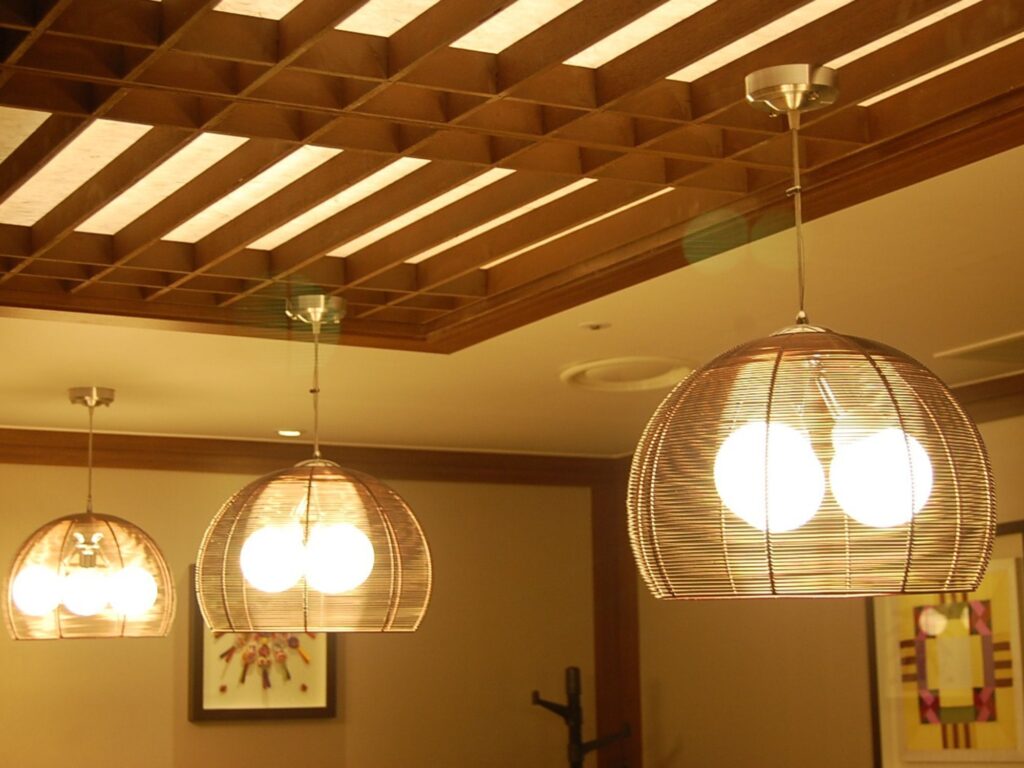
Wherever there’s light, there’s also shadow. The wrong light placement can create shadows where you don’t need them. If you’re working on something that requires focus, like cooking or reading, make sure the light hits from the right angle to minimize shadows. This where you’ll want task lighting from an adjustable source, like this kind of lamp.
Final Thoughts
Lighting might not be the first thing that comes to mind when you’re redesigning a room, but trust me, it’s one of the most important ways to make your space feel just right.
By understanding how different types of lighting work together, and by being mindful of where you place those lights, you can transform a room from “meh” to amazing. A little layering here, a bit of accent lighting there, and suddenly you’ve got a room that feels full of life.
Don’t be afraid to experiment with your lighting and adjust it for different moods. It’s one of the easiest ways to make your home feel more inviting without needing a total remodel.
So before you go calling an electrical contractor to remodel a room, take a closer look at the lighting. Get creative with it, and you’ll see how much of a difference it can make in bringing your vision to life. And remember, just like in painting, sometimes all it takes is the right “stroke” of light to turn a good room into a great one.